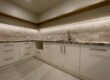
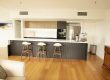
Understand kitchen door styles, costs, what materials to Choose and what benchtop is the best option.
When planning a kitchen renovation, two of the biggest decisions homeowners face are cabinet door styles and benchtop materials. These elements significantly influence the overall look, durability, and cost of a kitchen.
Across Brisbane’s Northside and the nearby Sunshine Coast, renovators often ask the same questions:
- What is the difference between laminated, thermo laminated two-pak flat doors and two-pak profile doors?
- Why do profile doors cost more than flat doors?
- What materials work best for outdoor kitchens?
- Which benchtop options offer the best balance of durability and elegance?
Understanding the advantages of each option can help you make confident decisions when designing a kitchen that suits your home, lifestyle, and budget.
Understanding Kitchen Cabinet Door Types
Kitchen doors play a major role in both the style and cost of a kitchen. While many kitchens may look similar on the surface, the materials and manufacturing process behind the doors can vary significantly.
Below are some of the most common options used in modern kitchens.
Laminated Cabinet Doors
Laminated doors are one of the most widely used cabinet finishes due to their practicality and affordability.
These doors are typically constructed from moisture-resistant MDF or particleboard, which is then covered with a decorative laminate sheet bonded to the surface using pressure and adhesive. The laminate provides the colour and texture of the door.
Advantages of Laminated Doors
- Cost-effective compared with painted doors
- Highly durable and resistant to scratches
- Easy to clean and maintain
- Available in a wide range of colours, textures, and woodgrain finishes
Laminated doors are particularly popular in modern kitchens with flat, minimalist designs. They work well for homeowners wanting a clean contemporary look without moving into the higher cost category of painted finishes.
However, because laminate is a pre-manufactured surface, colour options are limited to the manufacturer’s range, unlike painted doors where any colour can be selected.
Thermo Laminated Cabinet Doors
Thermo laminated doors sit between laminated and two-pak doors in terms of cost and are a popular option for homeowners wanting a more refined look.
These doors are usually made from routed MDF panels which are then covered with a vinyl film that is vacuum pressed onto the door. This process wraps the surface seamlessly over the edges and profiles.
Because the material is flexible during the pressing process, thermo laminate works particularly well with profiled or shaker-style doors.
Advantages of Thermo Laminated Doors
- Seamless finish with no visible joins
- Ideal for detailed or profiled door designs
- More refined appearance than standard laminate
- Mid-range pricing between laminate and two-pak
Thermo laminate offers a softer, more traditional aesthetic while still providing good durability and easy maintenance.
Profile Doors (Shaker, Provincial & Hamptons Styles)
Profile doors refer to doors with routed detailing or recessed panels, rather than a completely flat surface. These designs are often associated with Hamptons, provincial, or classic country-style kitchens.
The door itself is usually made from MDF and then finished with either two-pak paint or thermo laminate. (see paint description below)
Because profile doors involve additional machining, sanding, and finishing, they require more labour to produce, which contributes to their higher cost.
Advantages of Profile Doors
- Timeless and elegant appearance
- Ideal for Hamptons and classic kitchen designs
- Adds architectural detail to cabinetry
- Creates a softer, more traditional aesthetic
- Unlimited colour selection
These doors have remained popular for many years because they balance traditional style with modern functionality.
Flat Two-Pak Cabinet Doors
Two-pak doors are widely considered one of the most desirable cabinetry finishes for kitchens.
The name “two-pak” refers to a two-part polyurethane paint system consisting of a base paint and a hardener. These are sprayed onto the door surface and then cured to create a smooth, durable finish.
Because the doors are painted rather than laminated, homeowners can choose virtually any paint colour, making two-pak extremely versatile for custom designs.
Advantages of Two-Pak Doors
- Unlimited colour selection
- Smooth, luxurious painted finish
- Ideal for both modern and classic kitchens
- Durable when professionally applied
Two-pak doors are particularly popular in high-end kitchens, especially in white, soft neutrals, or custom colours chosen to match the rest of the home.
The process involves several stages including priming, sanding, painting and curing, which is why two-pak doors sit at a higher price point than laminate options.
Outdoor Kitchen Doors
Alfresco kitchens are becoming increasingly popular in Queensland homes, but they require materials designed to handle harsh conditions.
Outdoor cabinetry must withstand:
- Sun exposure
- Rain and humidity
- Temperature fluctuations
- Coastal environments in some areas
For this reason, fully weather-resistant cabinetry materials are required, which are different from those used indoors.
Advantages of Weather-Resistant Doors
- Designed specifically for outdoor environments
- Resistant to moisture and swelling
- Long-term durability in Australian conditions
Although these doors are generally more expensive than indoor cabinetry, they are essential for ensuring the kitchen remains functional and attractive for years to come. Yes these doors can be very expensive and well worth the price it you’re after beauty and durability. If your outdoor area is well protected from the Queensland weather other options may be considered.
Understanding Benchtop Options
Just like cabinet doors, benchtops vary significantly in price, durability, and appearance. Choosing the right material depends on how the kitchen will be used and the overall design style.
Laminate Benchtops
Laminate benchtops remain one of the most affordable options available.
They consist of a decorative laminate surface bonded to a particleboard core, similar to laminate cabinet doors.
Advantages of Laminate Benchtops
- Very cost-effective
- Wide range of colours and patterns
- Lightweight and easy to install
- Simple to maintain
Modern laminate designs can mimic stone, timber, or concrete finishes surprisingly well.
However, they are generally less heat resistant and less durable than stone surfaces.
Engineered Stone Benchtops
Engineered stone has become one of the most popular benchtop choices in modern kitchens.
It is manufactured using crushed stone combined with resins, creating a strong and consistent surface. Prices will vary dependent on colour choices. Most manufacturers will have selections for Builders all the way up-to luxury ranges.
Advantages of Engineered Stone
- Durable and hard-wearing
- Non-porous and stain resistant
- Consistent colour and pattern
- Luxurious appearance
Engineered stone is commonly chosen for kitchen islands and main work surfaces, providing both beauty and practicality.
Natural Stone Benchtops
Natural stone options such as marble or granite provide a truly unique finish.
Each slab contains natural variations in colour and veining, meaning no two benchtops are ever identical.
Advantages of Natural Stone
- Unique natural patterns
- Highly durable
- Premium, timeless appearance
Many homeowners use natural stone to create a feature island or statement piece within the kitchen.
Porcelain & Ultra-Compact Surfaces
Porcelain and ultra-compact surfaces are becoming increasingly popular in contemporary kitchen designs. Due to specialised labor intensive installations porcelain bench tops are high-end and will cost more on average than other stone per square meter. While initial costs are high, the long-term value is strong due to low maintenance and high durability.
These materials are manufactured under extreme heat and pressure, resulting in a very dense and durable surface.
Advantages
- Extremely heat resistant
- Scratch resistant
- UV resistant (suitable for outdoor kitchens)
- Very low maintenance
Because of these qualities, porcelain surfaces are often used in both indoor and outdoor kitchen designs.
Choosing the Right Materials
Every kitchen renovation is unique, and selecting the right combination of door style and benchtop material depends on several factors:
- design style
- budget
- durability requirements
- indoor or outdoor use
Working with an experienced cabinetmaker can help simplify these decisions.
Peter from Fine Cabinet Works guides homeowners through the process, explaining the differences between materials and helping them visualise the final result. With detailed drawings and 3D renders, clients can see how different door styles, finishes, and benchtops will look before construction begins.
From the initial consultation through to installation, Peter personally manages each project, ensuring clear communication and a high level of craftsmanship throughout the entire process.
Final Thoughts
Choosing the right cabinet doors and benchtops is one of the most important parts of a kitchen renovation. Please do your homework prior to obtaining quote and make sure you understand the difference.
Whether you prefer the practicality of laminate, the elegance of a profiled door, the versatility of two-pak paint, or the durability of weather-resistant outdoor cabinetry, understanding the differences helps you design a kitchen that is both beautiful and functional.
When combined with the right benchtop material, these elements work together to create a kitchen that not only looks exceptional but also performs well for everyday living.